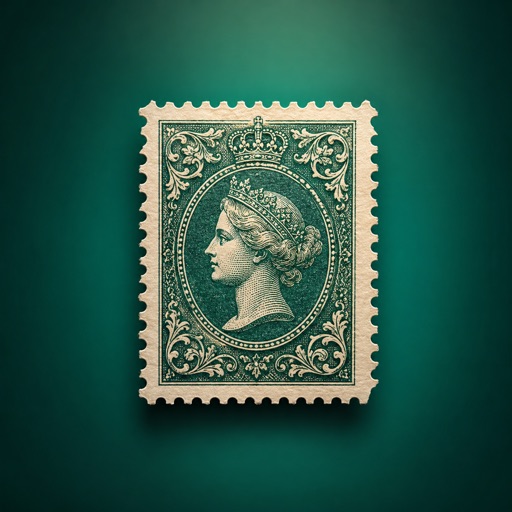
The honest version up front: the large majority of postage stamps are common and worth little — often a few cents to a couple of dollars. A small minority are genuinely valuable. This guide helps you tell which one you're holding. Any figure here is an estimated range from catalog and sale data, not a professional appraisal.
What actually determines a stamp's value
Two stamps that look identical can be worth wildly different amounts. Value comes down to a handful of factors that collectors weigh together:
- Rarity. How many were printed, and how many survive. A stamp printed in the tens of millions is common no matter how old or famous it is.
- Condition. Centering, margins, perforations, colour, and whether the paper is sound. Faults, thins, tears and heavy cancels cut value sharply.
- Used vs mint. Whether the stamp was postally used or is unused with original gum. Depending on the issue, either can be worth more.
- Demand. A stamp is only worth what a collector will pay. Popular countries, themes and classic issues hold value; obscure ones may have little market.
- Errors & varieties. Genuine printing errors — inverts, missing colours, wrong perforations, distinct plates — can multiply value many times over.
- Cancellation & cover. A clear, desirable postmark, or a stamp still on its original envelope (a "cover"), can be worth more than a soaked-off single.
Why most stamps are common (and that's normal)
Stamps were printed to be used, in enormous quantities, and millions of people saved them. Age alone does not make a stamp rare — a 150-year-old stamp printed in the millions is still common. Even the Penny Black, the world's first adhesive stamp, had roughly 68 million printed and over a million survive, so a typical used example is genuinely affordable. The valuable stamps are the exceptions: low survival counts, pristine condition, scarce plates, or famous errors.
How to find your stamp's value
- Identify it first. You need the country, year, denomination and catalog number before any value means anything. You can snap a photo with Stampo to identify a stamp in seconds, or match it by hand in a printed catalog.
- Grade the condition honestly. Look at centering and margins, check the back for thins and repairs, and note the cancellation. Be your own toughest critic.
- Check catalog and sale data. Compare against a recognised catalog (Stanley Gibbons, Scott) and recent auction results for the same issue in similar condition — not the optimistic asking prices on listings.
- Get an expert opinion for anything significant. For a potentially high-value stamp, a certificate from a recognised expert body settles authenticity and grade before you buy or sell.
Famous examples — what the rarest stamps are worth
These are the stamps that made philately legendary. They show how far the range runs — from affordable classics to seven-figure rarities — and each has its own detailed guide:
-
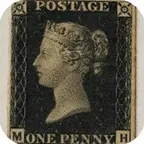
Common — tens of millions issued, over a million survive
The Penny Black was the world's first adhesive postage stamp, issued by Great Britain on 1 May 1840 and valid from 6 May 1840.
-
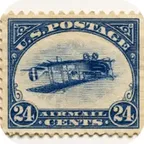
Extremely rare — only 100 ever existed
The Inverted Jenny is a 1918 US 24-cent airmail stamp on which the Curtiss JN-4 biplane was accidentally printed upside down, from a single sheet of 100.
-
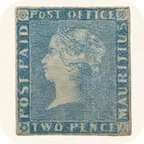
Among the rarest stamps in the world — only ~26-27 known
The 1847 Mauritius 'Post Office' stamps — a one penny orange-red and a two pence deep blue — are among the world's most famous and valuable stamps, with only about 26-27 surviving.
Example values last checked: July 4, 2026.
The bottom line
Identify the stamp, judge its condition honestly, and compare it against real catalog and sale data for the same issue. Most stamps are common keepsakes rather than treasures — but knowing exactly what you have is the only way to spot the rare exception. When in doubt about a valuable stamp, get it expertised before you act.